
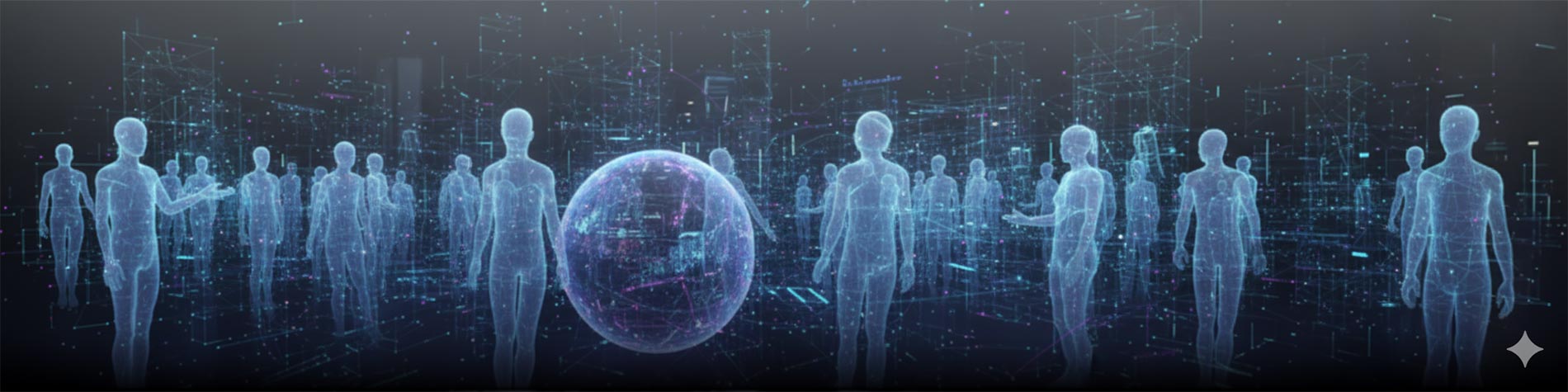
Applications of 3D Telepresence & Avatars
Discover how immersive 3D communication transforms industries — from healthcare and education to fashion, enterprise collaboration, and consumer interaction.
Telepresence systems can enhance work and social connectivity
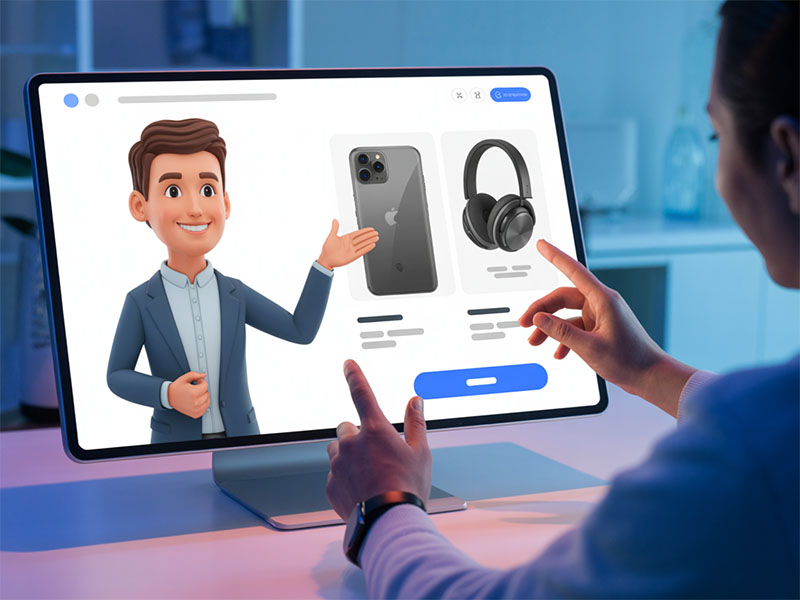
They make remote work more feasible and effective, allowing businesses to maintain high levels of productivity while offering employees greater flexibility. These systems enable teams from around the world to collaborate more efficiently, breaking down geographical barriers and fostering innovation. Moreover, telepresence systems give employees the ability to work from anywhere, providing flexibility that can lead to better work-life balance. This flexibility is especially important for accommodating diverse work styles and personal responsibilities, making it easier for companies to attract and retain top talent from around the world
Heatlh care
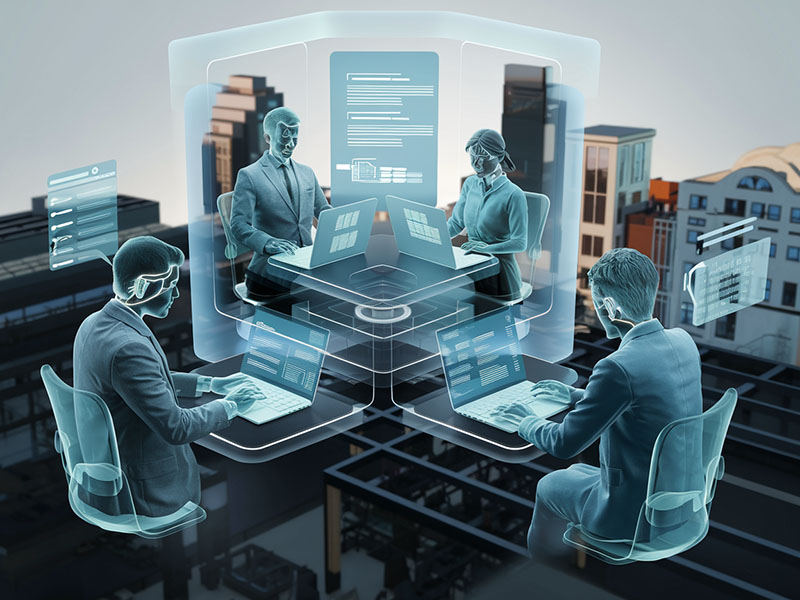
Heatlh care In healthcare, 3D telepresence can improve telemedicine by enabling more thorough and interactive remote consultations, thereby enhancing patient care. Medical professionals can also benefit from virtual training and simulations, improving their skills and knowledge without the need for physical presence. In addition, telepresence systems can have positive impacts on mental health. Enhanced virtual interactions can reduce feelings of loneliness and social isolation, contributing to better mental health. Virtual support groups can be more engaging and supportive, providing a sense of community and belonging for participants.
Avatars in consumer interaction
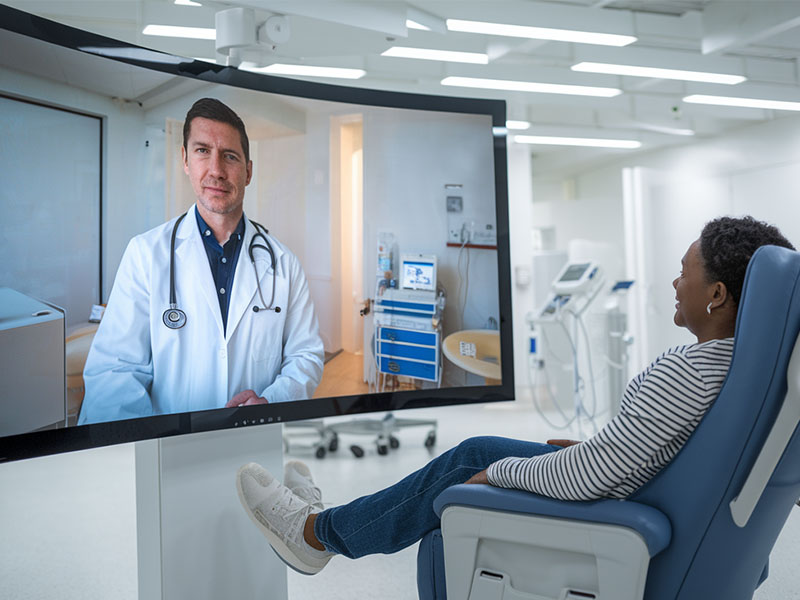
Avatars in consumer interaction 3D avatars revolutionize consumer interaction by creating immersive, personalized, and engaging experiences that go beyond traditional methods. By using lifelike avatars, businesses can humanize digital interactions, enabling customers to visualize products, receive tailored assistance, and explore services in a more interactive and memorable way. For example, a 3D avatar of a sales representative can guide a customer through a virtual showroom, answer questions, and provide recommendations in real-time, mimicking the in-person experience. Additionally, 3D avatars foster inclusivity by allowing customization to match diverse consumer identities, creating stronger emotional connections. In sectors like retail, gaming, and education, these avatars enhance user satisfaction and retention by making interactions intuitive, visually appealing, and tech-forward, positioning businesses as innovative leaders in their industries.
3D Fashion
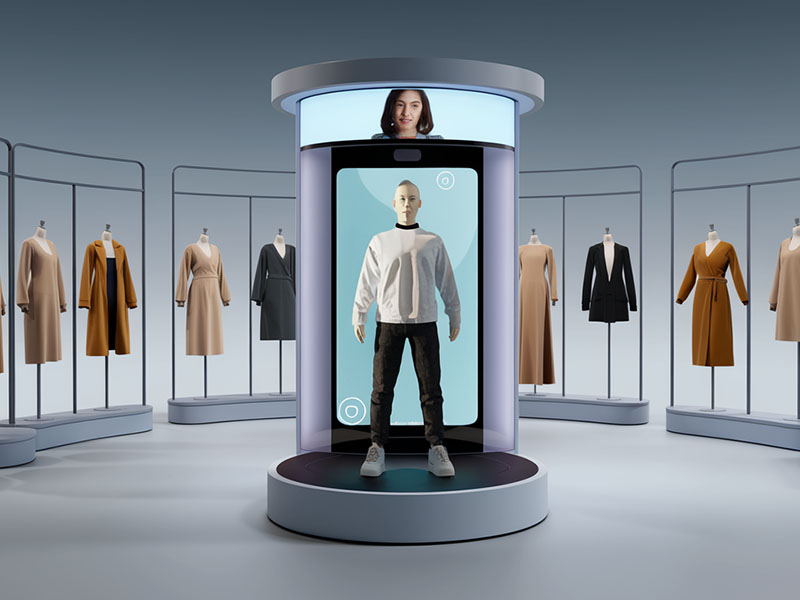
3D reconstruction of a person using a 3D camera offers groundbreaking opportunities for the fashion industry by enabling precise, personalized, and immersive experiences. With this technology, brands can create accurate digital models of individuals, allowing for tailored virtual try-ons that eliminate the guesswork of online shopping. Consumers can see how garments fit and move on their unique body shapes, reducing returns and increasing confidence in purchases. Designers can leverage 3D reconstructions for bespoke clothing production, ensuring perfect fit and reducing material waste. Furthermore, this technology enhances virtual fashion shows and metaverse-ready clothing lines, where avatars based on real-world 3D scans can showcase collections dynamically. By integrating 3D reconstruction, the fashion industry can achieve greater personalization, sustainability, and innovation, reshaping how consumers and brands connect.
Education
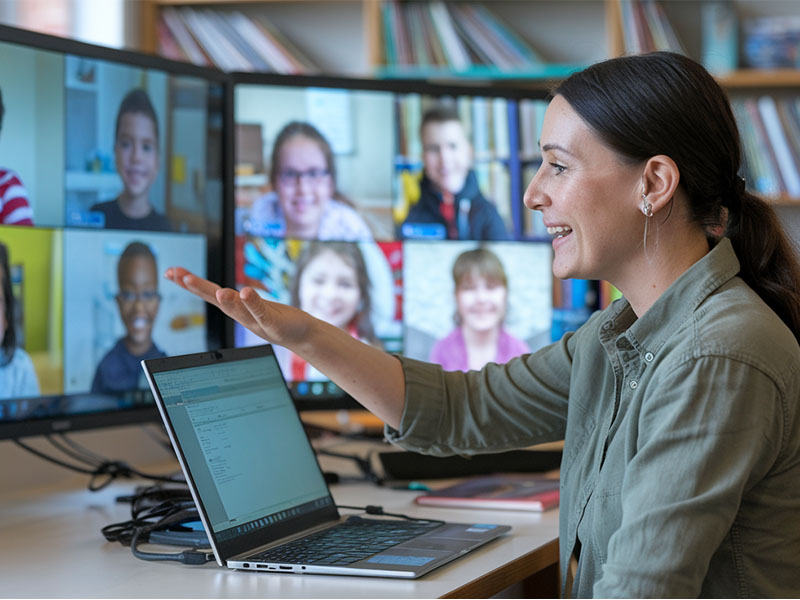
3D telepresence can revolutionize education by creating virtual classrooms where students and teachers can interact as if they were physically present. Additionally, immersive training programs can be developed, offering hands-on experience in a virtual setting and significantly enhancing skill development. Telepresence technology can facilitate personalized learning experiences. Teachers can observe and interact with students individually, providing tailored support and guidance. This can help address different learning styles and needs, ensuring that each student can thrive in a virtual environment.
Access to Quality Education
By overcoming geographical barriers, telepresence technology makes quality education accessible to students in remote or underserved areas. This democratization of education can help reduce inequalities and provide opportunities for students who might otherwise lack access to advanced educational resources.
Collaboration with Experts
Students can interact with industry experts and guest lecturers from around the world without the need for travel. This can enhance the curriculum by providing students with insights from leading professionals and access to a broader range of knowledge and expertise.
Global Learning Communities
Telepresence technology can connect students and educators from around the world, fostering global learning communities. This international interaction can enrich the educational experience by exposing students to diverse perspectives and cultures, preparing them for a globalized world.
Improved social interaction
In terms of social interactions, 3D communication can help people maintain stronger connections with family and friends who live far away, thereby reducing feelings of isolation. Virtual events, including social gatherings, conferences, and meetings, can be conducted with a greater sense of presence, providing more engaging and interactive experiences.